
%20September%2022%20-%2024,%202023%20-%20Simona%20Taronna%20photo3.jpg)
%20September%2022%20-%2024,%202023%20-%20Simona%20Taronna%20photo2.jpg)
%20-%20Dylan%20Heerema%20photo%202.jpeg)


%20-%20Dylan%20Heerema%20photo%202.jpeg)
%20September%2022%20-%2024,%202023%20-%20Simona%20Taronna%20photo2.jpg)


%20September%2022%20-%2024,%202023%20-%20Simona%20Taronna%20photo3.jpg)
Rope Rescue Technician 1 (RRT1) – Training Only (6 Candidates, 2 Instructors)
As low as:
$875.00 / person
(at 6:1 ratio)Get in touch and we will schedule a trip for you!
Start a new trip
Start a new trip
Course Description
This course provides the instructional component of the Rope Rescue Technician 1 curriculum without the formal certification evaluation.
This course follows the Emergency Management and Climate Readiness (EMCR) established curriculum. Focused competencies are as outlined in the Provincial Operating Guidelines (POGs) 3.02a BC SAR Wildland Rope Rescue Competency Matrix, SAR Rope Principles and Guidelines.
Participants will learn the fundamental rope rescue systems used in search and rescue operations.
Topics include:
- rope rescue safety
- knots and anchors
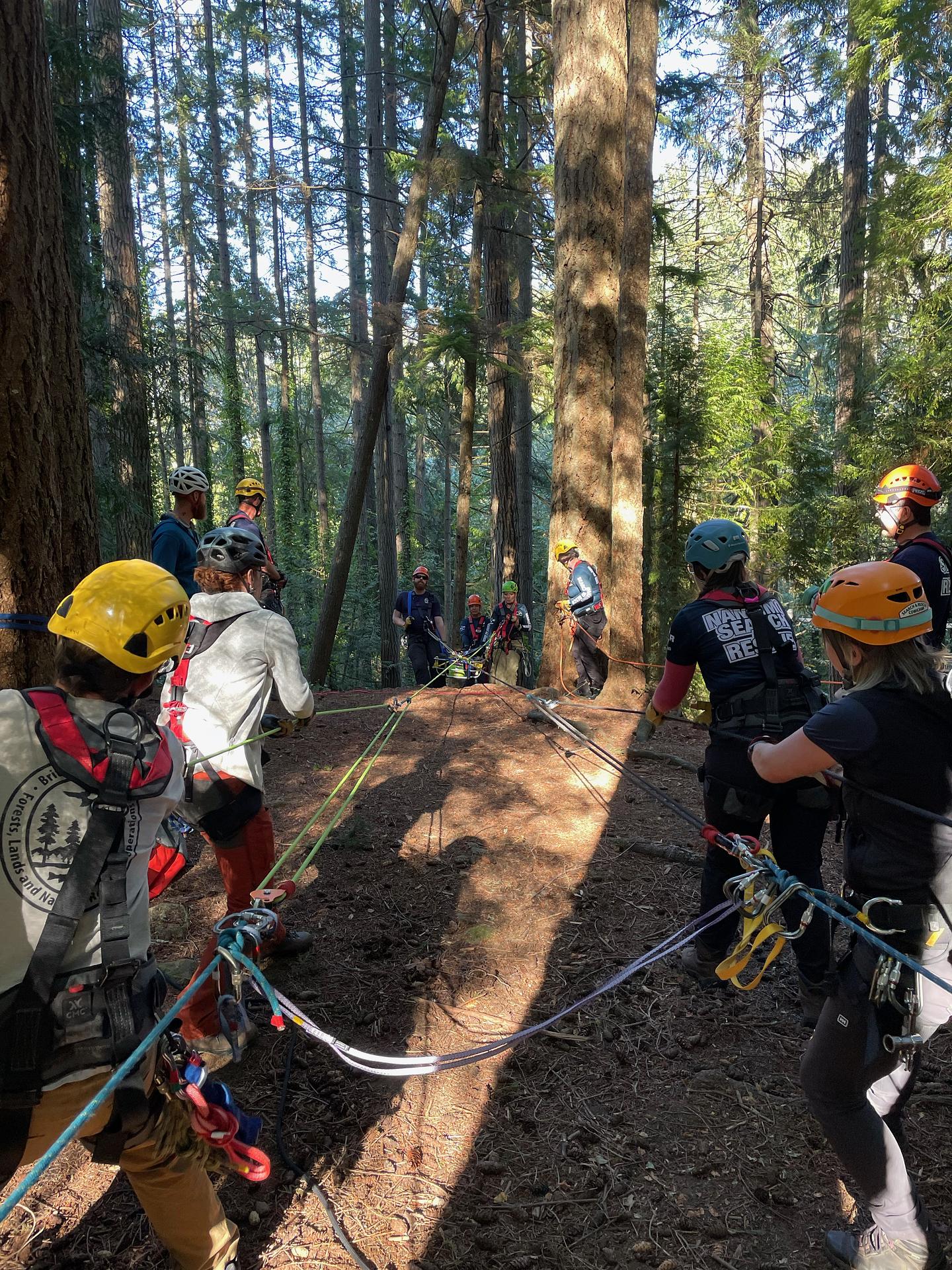
- mechanical advantage systems
- edge management
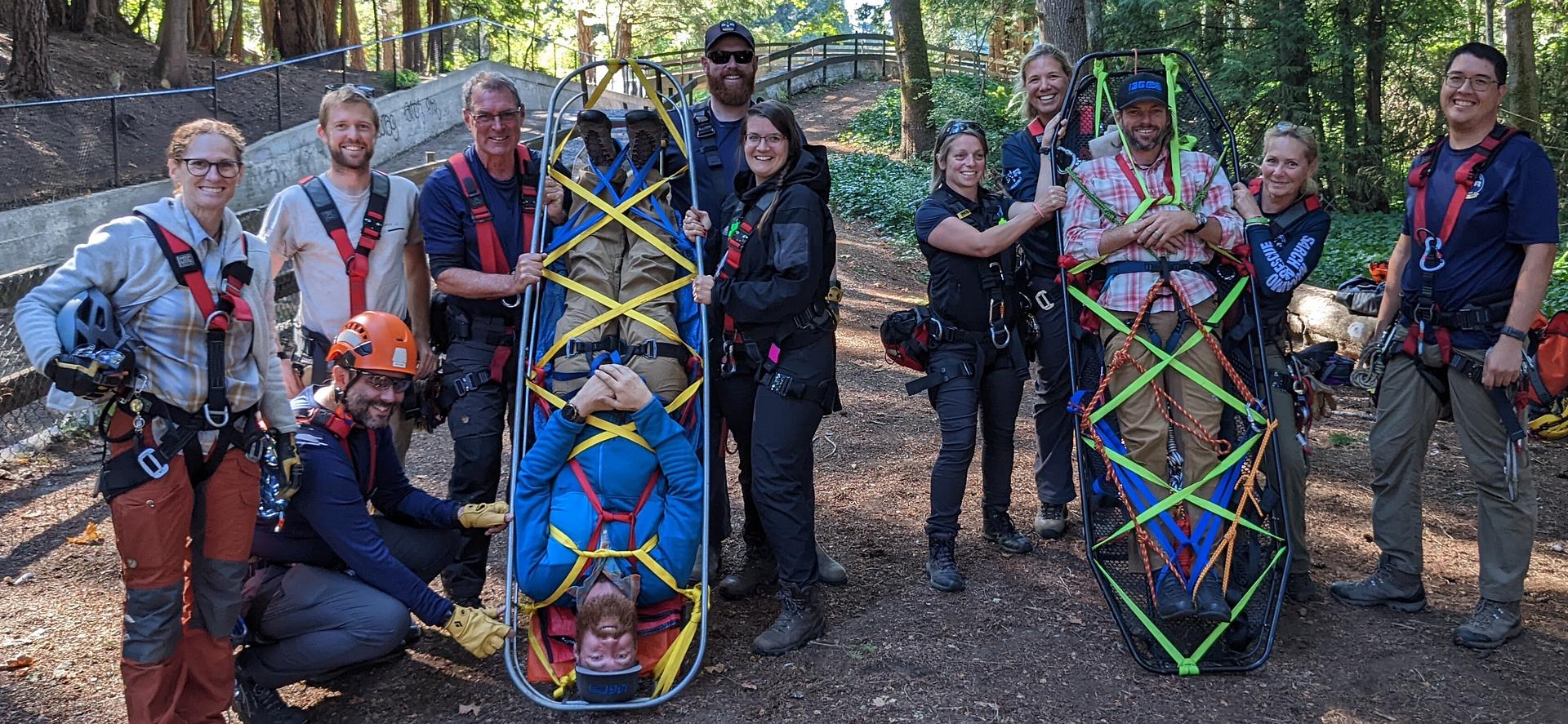
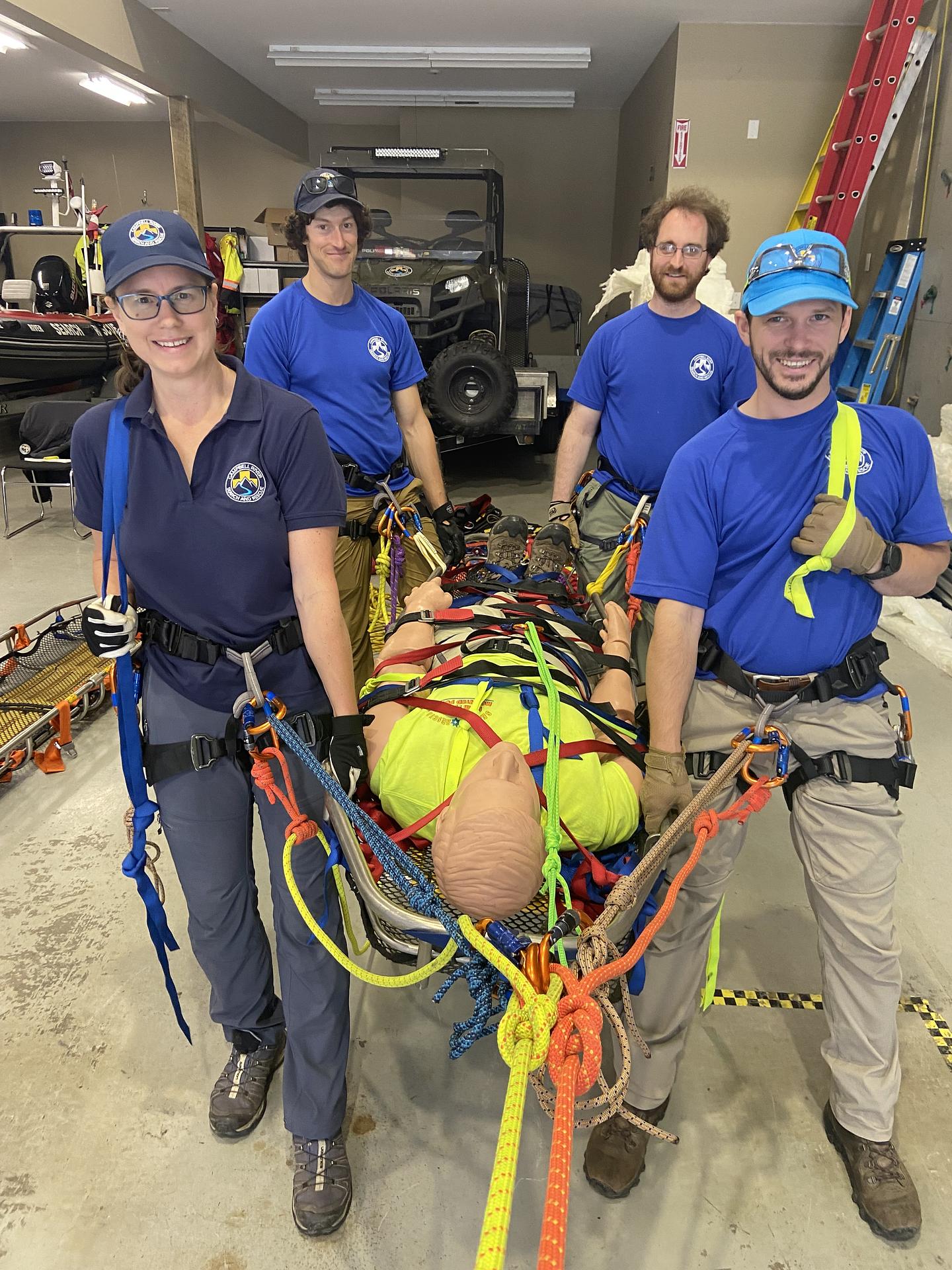
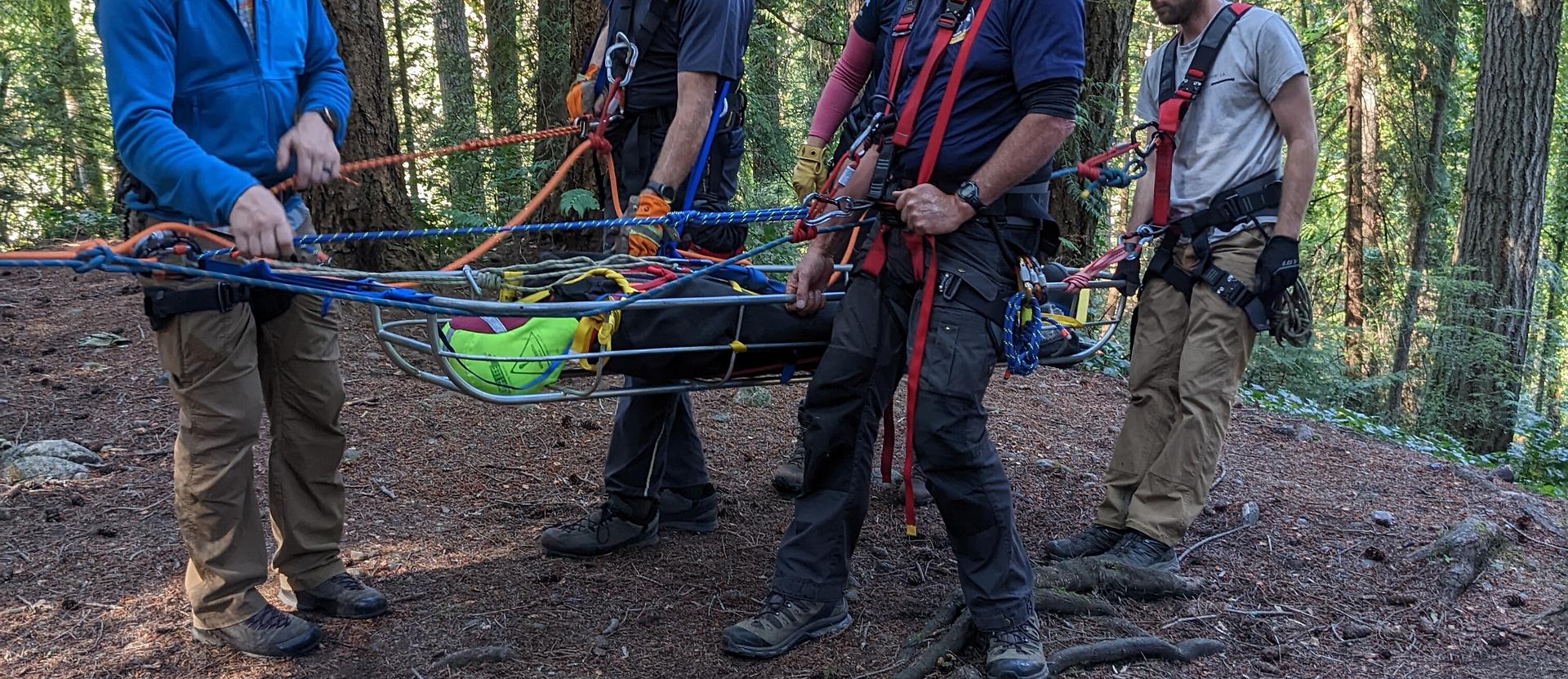
- patient packaging
- DCTTR system construction
With two instructors working with six candidates, participants benefit from extensive coaching and system practice.
This training option is ideal for SAR teams preparing members for future RRT1 evaluation & certification
Included
- 2.5 days of hands-on instruction in rope rescue systems and techniques
-
Two experienced rope rescue instructors supporting instruction and development throughout the course
Not Included
- Transportation
- Food
- Personal equipment
- Team rescue equipment (provided by host team)
Logistics
RRT1 Curriculum:
- Knots Bends and Hitches
- Anchors
- Anchor Extensions
- Pre-tensioned Ties
- Operate in Rope Rescue Team Positions (Edge, Rope Operator Purpose Built Device and Component, Tailer, Attendant)
- Tension Transfers
- Stretcher Rigging for Slope Rescue (including Subject Securement)
RRT1 Itinerary:
-Sample Time table RRT1 Training -
- Friday - 1800-2100 (3 hrs)
- Saturday - 0830-1700 (8.5 hrs)
- Sunday - 0830 - 1600 (7.5 hrs)
-RRT1 Training Weekend -
Friday
- Welcome and Introductions
- Overview of Rope Rescue site
- DCTTRS Theory
- Introduction to DCTTRS operations
Saturday
- Ropes, knots, bends and hitches
- Anchors and extensions
- DCTTRS Lower system (Purpose Built Device and Component based)
- DCTTRS Raising system (Purpose Built Device and Component based)
- Pre-Tensioned ties
- Edge person set up and operation
Sunday
- Live Scenarios using DCTTRS
Assessment Expectations:
- Build a safe and adjustable edge line in a timely manner. Operate as an edge person and describe their roles and responsibilities.
- Demonstrates appropriate use of standard knots, bends, hitches and anchor ties.
- Fresh Eyes Checks (FEC) for safety.
- Build and operate Purpose Built Device & Component system for Lowering and Raising. Tension transfers - converting between the two.
- Function as Tailer.
- Communicates during rope rescue with clear, standard terminology and communication protocols, at the appropriate time, in all stages of rescue. Uses REDO sequence.
- Demonstrate stretcher attendant role for terrain up to moderate angle slope.
- Rig subject securement.
- Command and Communication.
Requirements
This course is for active members of recognized Search and Rescue (SAR) Groups in British Columbia. The application form must be signed by the Training Officer or member of the Management Team of your SAR Group.
Gear List
The following list is the recommended minimum for your personal gear. Please ensure that all your gear is functioning and in proper repair.
- Helmet
- Harness
- Headlamp and spare batteries
- Knife
- Gloves (rope)
- Safety glasses
- Whistle
- Flagging tape
- Personal pack
- DCD (descent control device)
- 60cm sling
- 120 cm sling
- Locking "D" Carabiner X4
- Locking Pear carabiner X1
- 8mm Cord X5m
- 8mm cord X10m
- 8mm prusik X1.4m
- 8mm prusik X1.7m
- 25mm webbing X5m
- Short purcell prusik
- long purcell prusik
- PMP (prusik minding pulley)
- Personal First Aid kit
Testimonials
There are currently no testimonials for this trip yet.